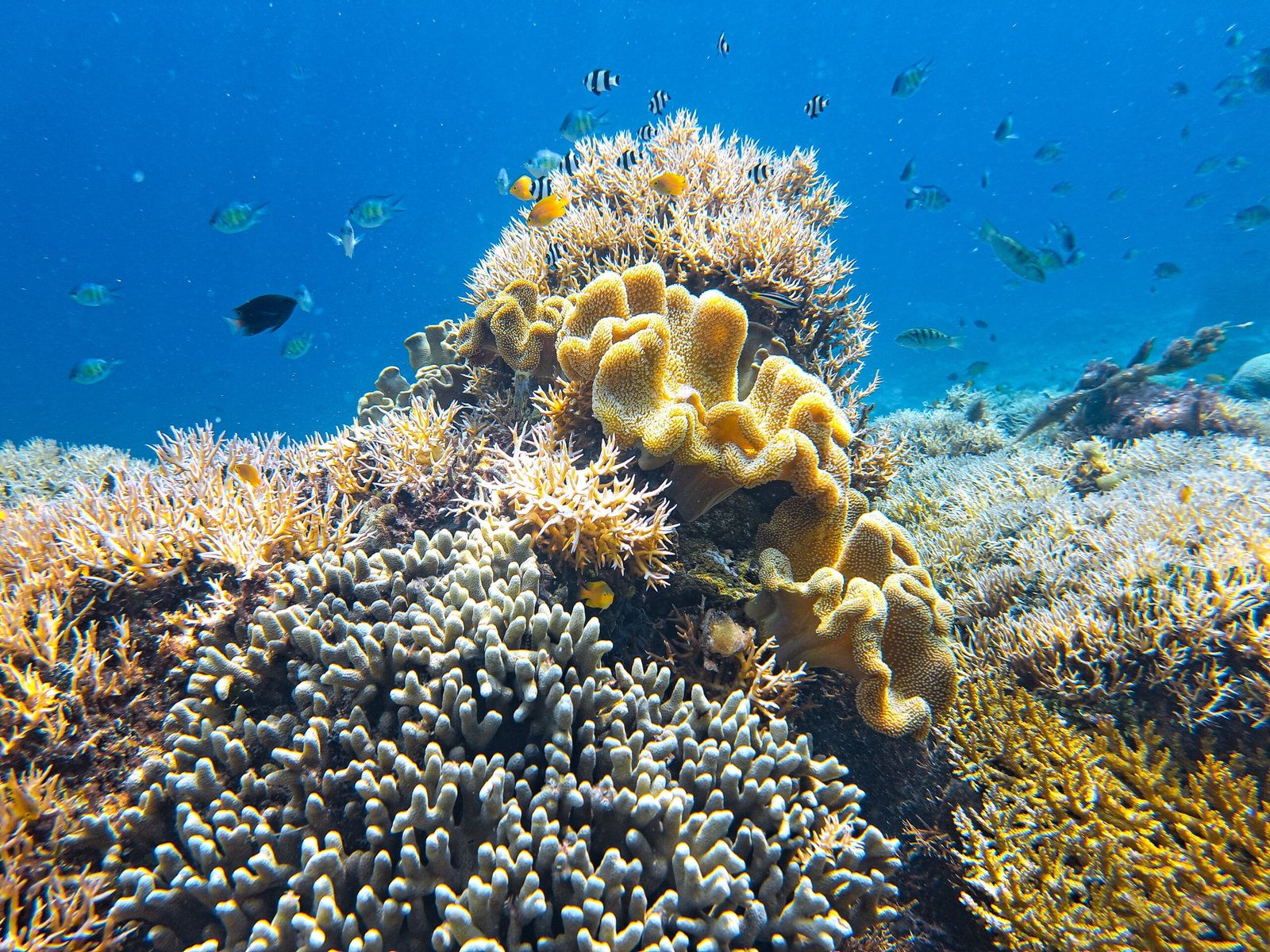
I’ll be honest: I went to Raja Ampat mainly to dive. But between dives I spent a lot of time with my mask on at the surface, and I quickly realised that many of the reefs I loved are shallow enough to enjoy just as much from the surface.
One of my favourite moments was floating over the corals at Rufas: it was so shallow that I spent the entire time playing with some snorkelers.
This is not a list of every snorkeling spot existing in Raja Ampat. It’s the guide I wish I’d had: which Raja Ampat snorkeling spots are actually worth the boat money, which ones I’d skip, what you can see for free from your homestay, and what a snorkel-only trip really costs per person. If you also want a swim in fresh water, I wrote about the Blue River too.
Raja Ampat Snorkeling: My Quick Picks
Best house reef: Yenros Homestay, Gam. Free, right in front of the bungalows.
Best for mantas: the cleaning station at Dayan, Batanta, with mantas every day.
Most colourful reef: Melissa’s Garden and Rufas, on the Piaynemo day trip.
Best cheap boat trip: Citrus Ridge, IDR 800,000 per boat (1 to 2 people).
I’d skip: snorkeling around Kri. It might be that I had an unlucky day, but it was probably the most average reef I saw in Raja Ampat.
Is Raja Ampat Snorkeling Worth It If You Don’t Dive?
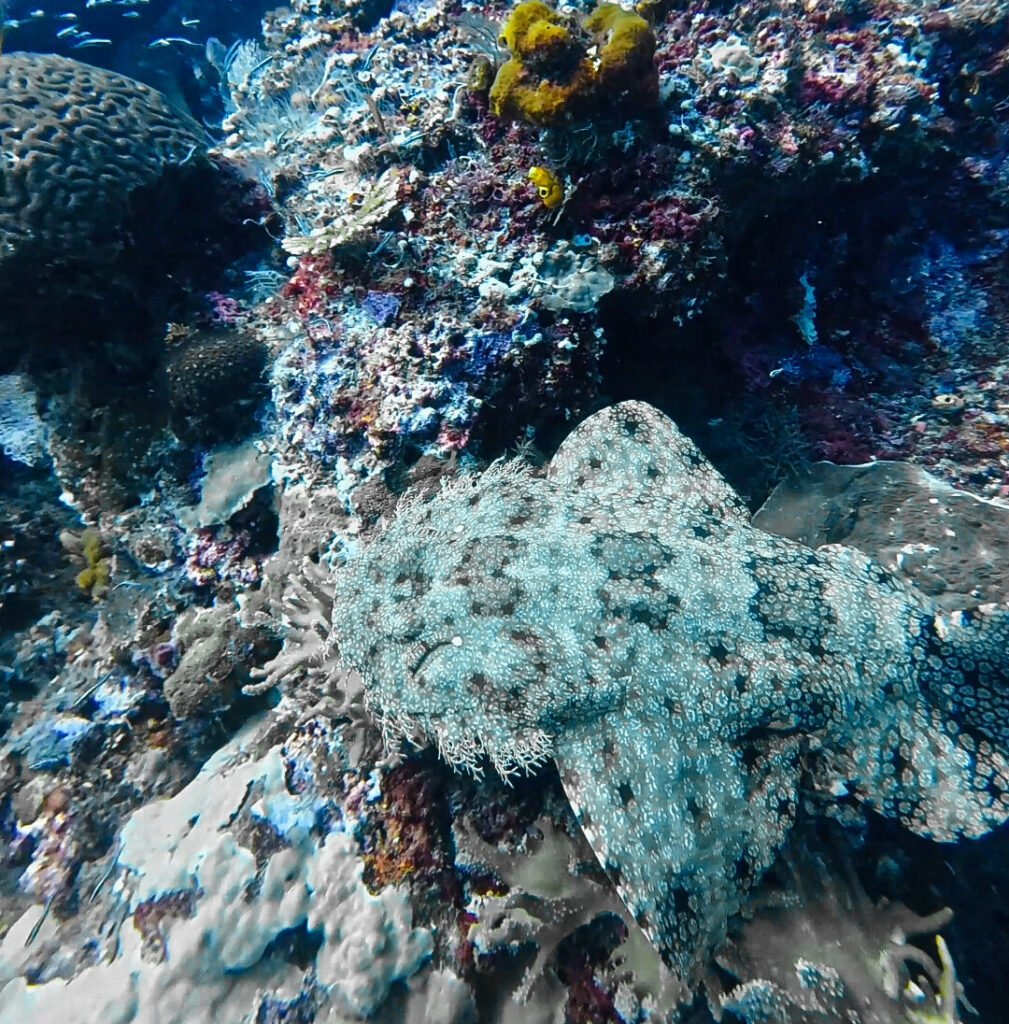
Yes, and I say that as a diver. A lot of Raja Ampat’s coral is shallow, so from the surface you see many of the same reefs as divers, just without the depth. There are three honest caveats. First, the best snorkeling is rarely in front of your homestay: to see the best of Raja Ampat you need boat trips, which is where the money goes. Second, even some of the good house reefs, and especially the shallowest corals, have been damaged in recent years, so going deeper gives you healthier coral (quality over quantity). Third, some things are simply easier with a tank: most of the wobbegong sharks I saw, one of the coolest things I saw in Raja Ampat, were quite deep.
Thinking about learning to dive in Raja Ampat? Read my guide to diving in Raja Ampat to find out if it’s a good idea.
Best Snorkeling in Raja Ampat, Spot by Spot: My Honest Verdict
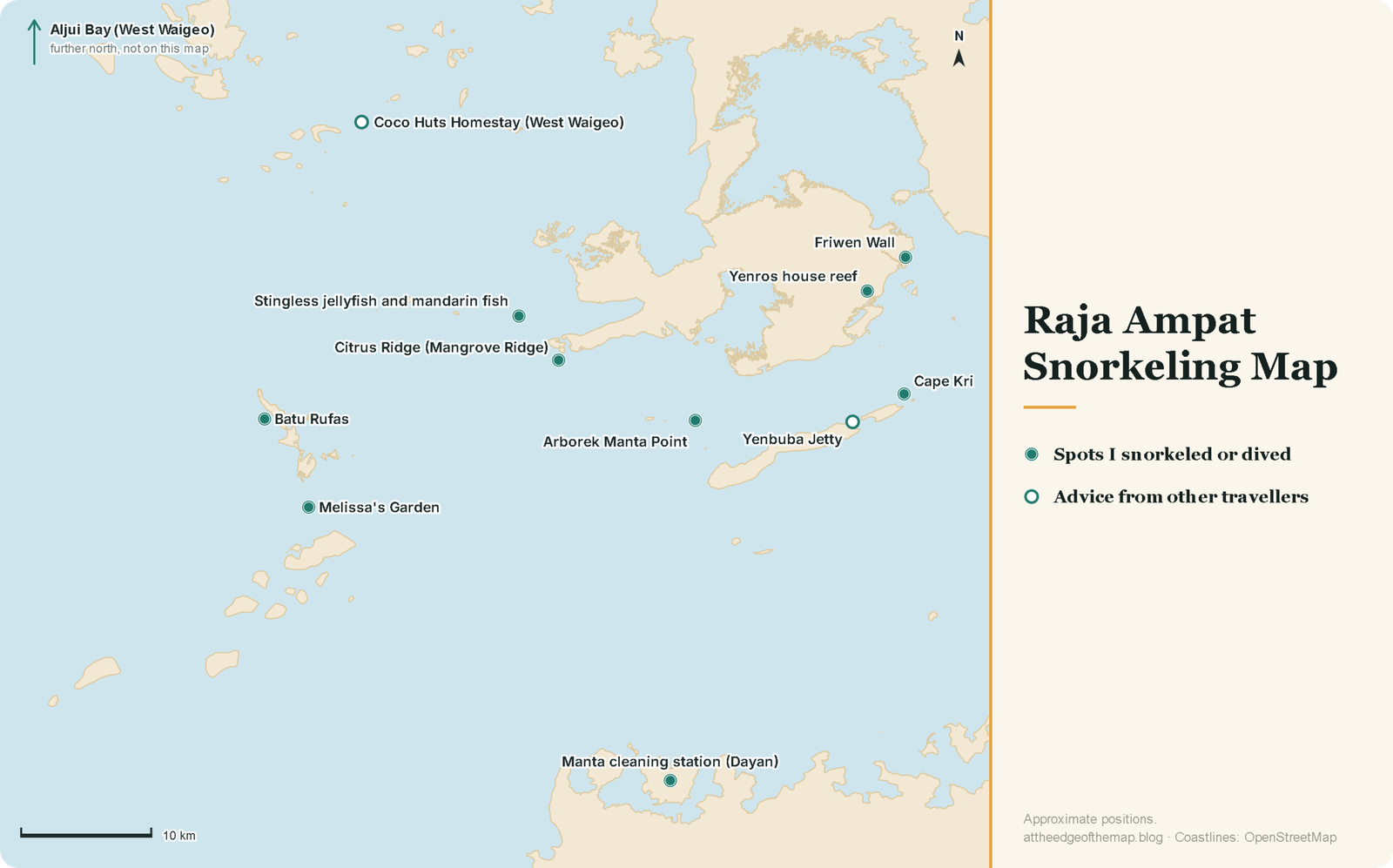
Here’s a quick overview of all the snorkeling spots. Below, I’ll dive deeper into the ones I’d most recommend visiting:
Dampier Strait, Batanta and West Waigeo: all the snorkeling spots
| Spot | Where | How I know it | Best for | Watch out |
|---|---|---|---|---|
| Yenros house reef | Gam | I snorkeled here | Free snorkeling | Stonefish when you walk in from the beach |
| Manta cleaning station | Dayan, Batanta | I snorkeled here | Mantas every day, a friendly dugong | Strong current: go by boat |
| Citrus Ridge | West tip of Gam | I dived here, shallow enough | Fish everywhere, cheapest boat trip | Current at the tip of the island |
| Melissa’s Garden and Rufas | Piaynemo | I dived here, shallow enough | The most colourful reefs I saw | Part of a long, expensive day trip |
| Stingless jellyfish and mandarin fish | Western part of Gam | I snorkeled here | A different kind of swim | You need the homestay owner to take you |
| Cape Kri | Kri | I snorkeled here | Nothing special for me | Poor visibility the day I went |
| Arborek Manta Point | Arborek | I dived here | Mantas, if they show up | Sandy bottom and no corals |
| Friwen Wall | Friwen | I snorkeled here | Good snorkeling similar to Gam | Only worth it if you stay in Friwen |
| Aljui Bay and manta snorkeling | West Waigeo | Not visited yet | Well preserved, and mantas even from June to September | Far from the Dampier Strait |
Misool: all the snorkeling spots
| Spot | Where | How I know it | Best for | Watch out |
|---|---|---|---|---|
| Nut Tonton house reef | Misool | I snorkeled here | Giant clams, a huge puffer fish | Lots of jellyfish in the first half of September |
| Gamfi and Lyoca Island | Misool | I snorkeled here | Very well-preserved corals | Current at Lyoca |
| Jellyfish Lake | Misool | I snorkeled here | Baby sharks nearby | Less impressive than in pictures: don’t go to Misool just for this |
| Gorgonian Garden | Misool | Advice from other travellers | Huge sea fans and lots of fish, rated the best by the travellers I met | Misool only works from October |
| Neptune’s | Misool | Advice from other travellers | Barrel sponges and black coral trees | Misool only works from October |
| Reefs near Misool Eco Resort | Misool | Advice from other travellers | Nice reefs with baby sharks (a good add-on third day trip) | Ask your homestay if they can add it |
Snorkeling in the Dampier Strait and Batanta
Here are the spots I visited and recommend the most, plus one that fellow travellers raved about and that I think is worth checking out:
Melissa’s Garden and Rufas (Piaynemo)
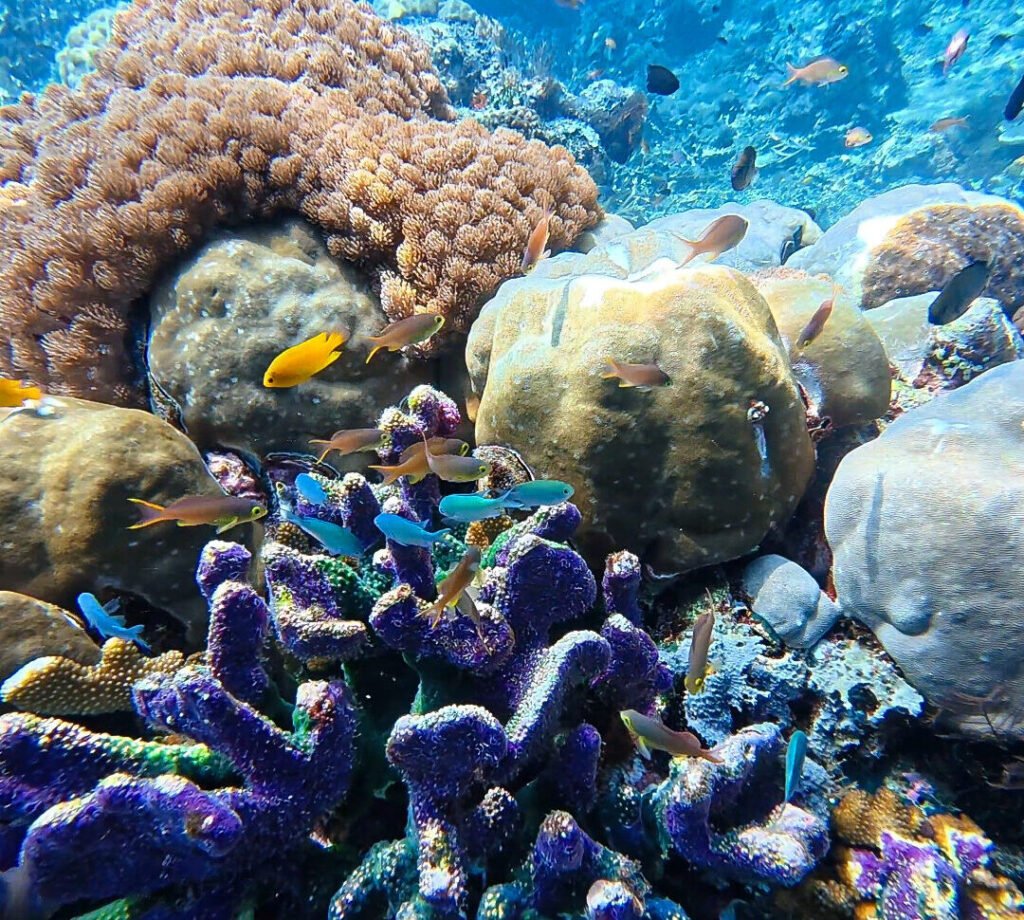
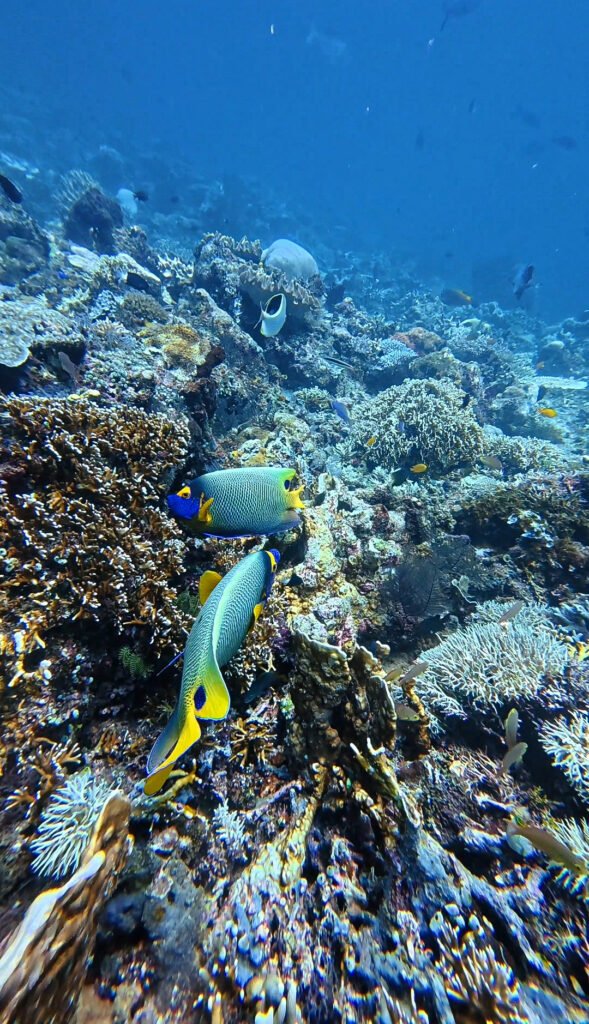
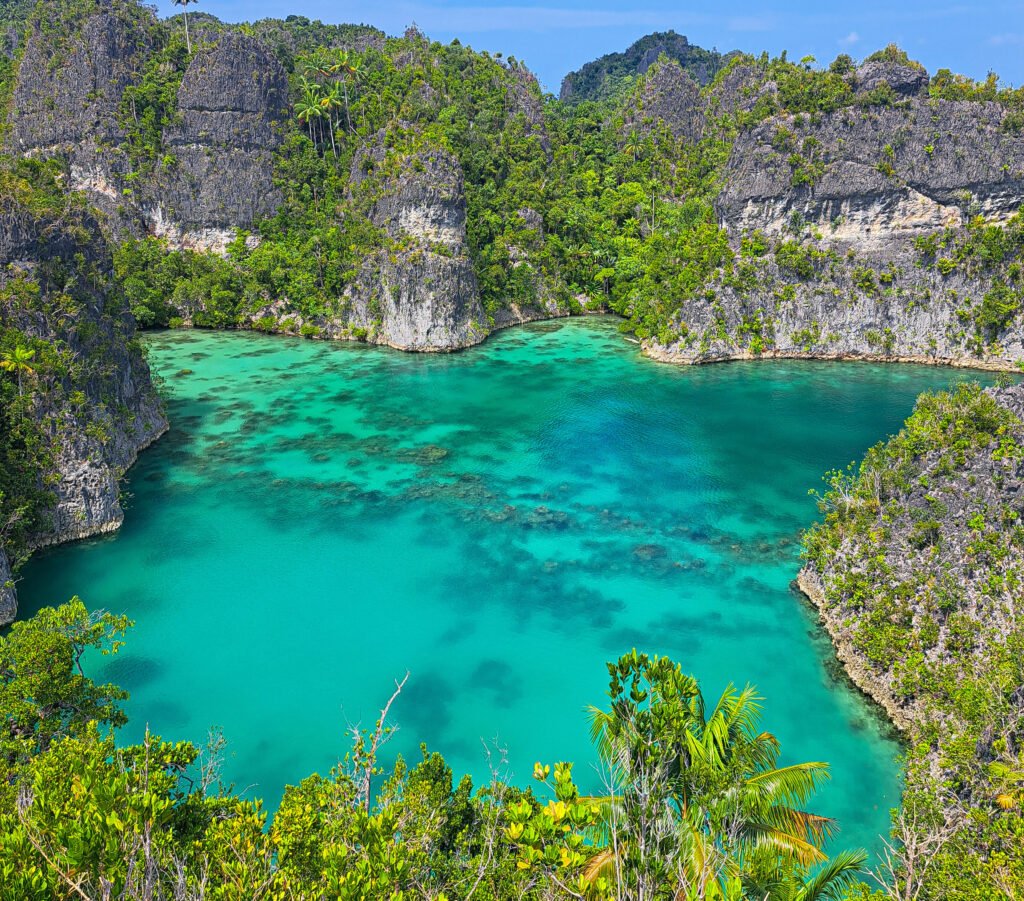
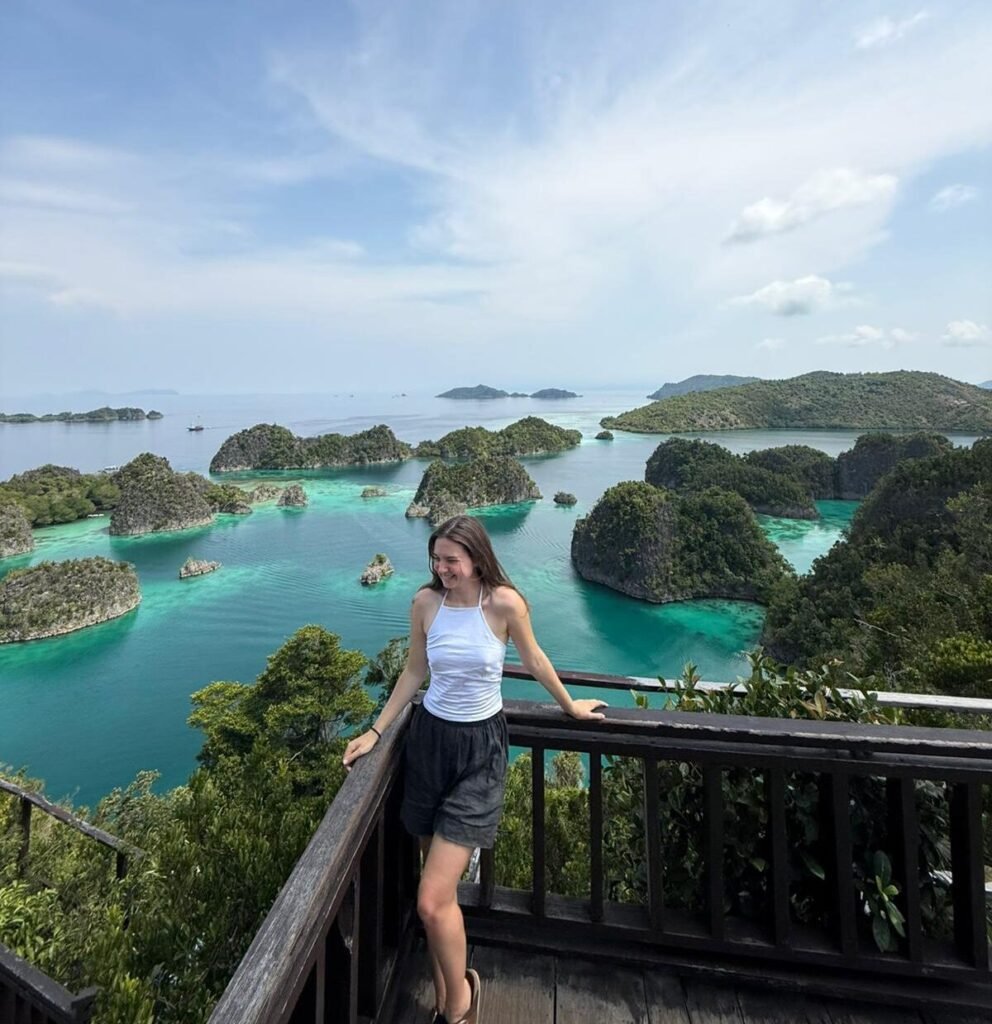
I dived here, but it’s shallow enough to snorkel. Melissa’s Garden and Rufas were among the most colourful reefs I saw in Raja Ampat, and they’re very shallow, so they’re perfect for snorkeling. You combine them with the Piaynemo viewpoint on the same day trip: from Yenros Homestay, Piaynemo, Star Lagoon viewpoint, Melissa’s Garden and Rufas cost IDR 4,500,000 per longboat (max 5 people, entrance fee included).
Verdict: worth it, but it’s the most expensive trip of the three, so fill the boat with 4 or 5 people.
Manta cleaning station (Dayan, Batanta)
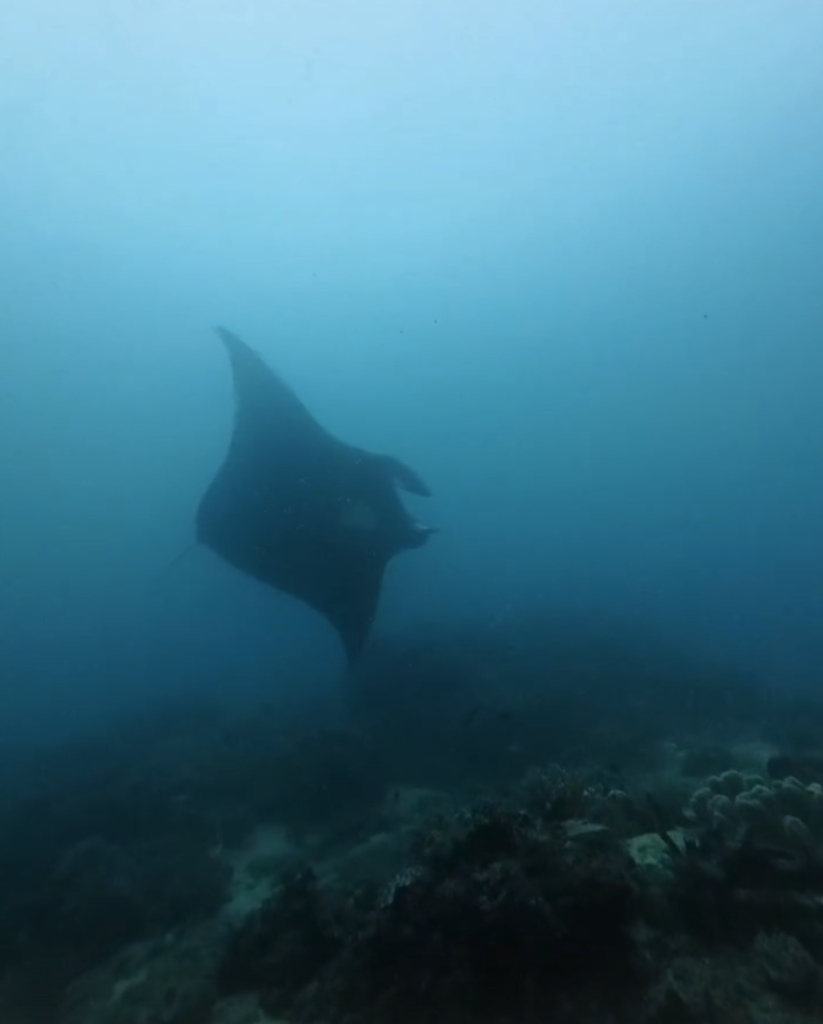
I snorkeled and dived here. Right in front of Batanta Diving Homestay there’s a manta cleaning station with mantas every day. You can swim there, but the current is a bit strong, so ask Nikko to take you by boat. He keeps the cleaning station closed to liveaboards and resorts, and only lets the owners of the nearby homestays bring their guests. There’s also a friendly dugong that shows up almost every day.
Verdict: the one spot I’d plan a stay around.
If I had to pick my top 2, it would be Rufas and the Dayan manta point
Do you want to know more about my favourite homestays in Raja Ampat? Read my homestay guide
Citrus Ridge, also called Mangrove Ridge (west tip of Gam)
I dived here, and it’s also a snorkeling spot. You can start snorkeling in the mangroves and then swim out to Citrus Ridge, which is just an explosion of fish. From Yenros Homestay the Citrus Reef (Jungelo Island) trip costs IDR 800,000 per boat for 1 to 2 people.
Verdict: the best value boat trip. The reef is at the tip of the island, so go with a boat that follows you and ask your driver about the current that day.

Stingless jellyfish and mandarin fish
I snorkeled here. Two spots I hadn’t read about in any guide. The jellyfish are white and transparent (not the yellow ones you see on Instagram), but swimming with them is still a great experience, and close by there’s also a spot where you can see mandarin fish. The spots are known by the owner of a homestay there (the rough location is the western side of Gam), so just ask your host and they’ll coordinate with him.
Yenros house reef (Gam)
I snorkeled here. You don’t always need a boat: many homestays have a house reef right in front of the bungalows, and the one at Yenros Homestay, in East Gam, was really good. One of the other guests snorkeled there every day and showed me the pictures in the evening, and I was always surprised by how many fish they had seen. The corals are not comparable to Rufas: they have been damaged in recent years (one year the water was very low and the corals were out of the water), but the homestay is doing a good job at preserving them. There’s even a rule: if you step on the corals you get a warning, and if it happens again they ask you to leave.
Verdict: the best free snorkeling I found around a homestay in terms of coral. Wear water shoes when you walk in from the beach: there are stonefish around.
West Waigeo: One for You to Try
Not visited yet. West Waigeo is the one area in this guide I haven’t explored, but it’s the spot other travellers recommended most, so it’s on my list for next time. It’s remote, with well-preserved reefs and few boats. Around Yefnabi, you can snorkel with manta rays even between June and September, when they’re usually absent from the Dampier Strait. From Coco Huts Homestay, a 3.5-hour trip to Yefnabi, Yeftip and Yefmo, including Pasir Timbul sandbank, costs IDR 1,300,000 per boat (1–3 people) or IDR 2,000,000 (4–5 people). If you stay at Coco Huts Homestay, the house reef should be very nice: follow the channel to the black buoy, then swim about 100 metres over shallow water to reach Jane’s Mushroom Garden, where coral walls drop away on both sides.

Snorkeling in Misool
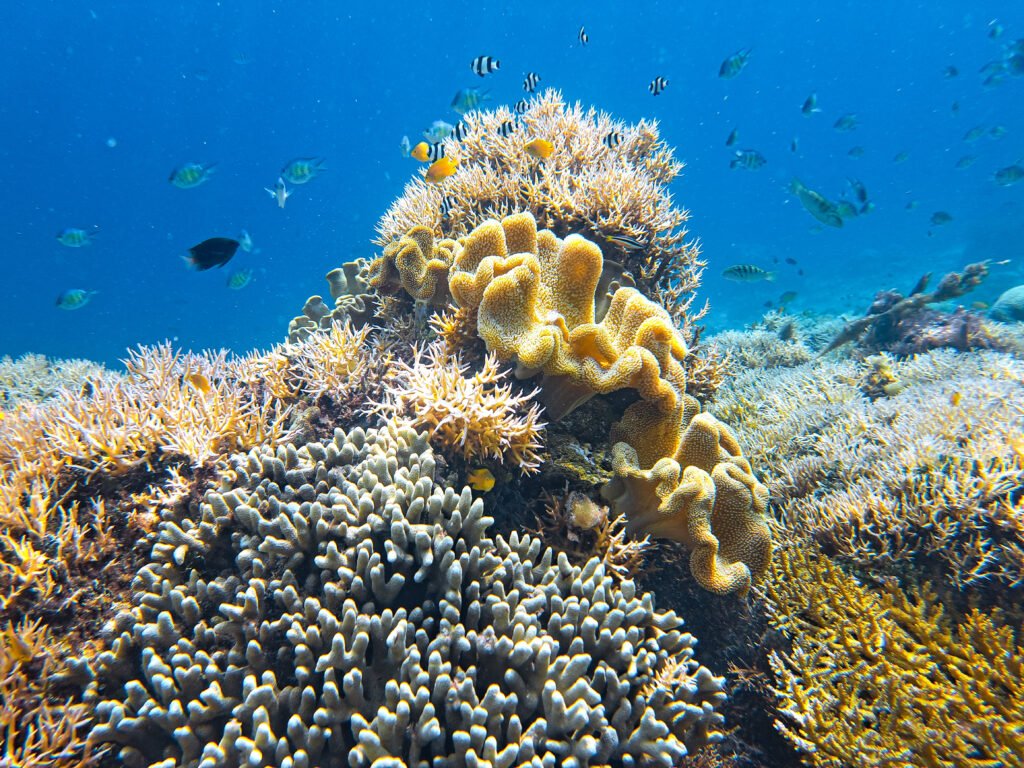
Misool is all about karst islands, lagoons and snorkeling stops on daily boat trips, so the spots you visit depend on your itinerary. I found the reefs around Nut Tonton, Gamfi and Lyoca Island particularly good. We couldn’t visit Gorgonian Garden or Neptune’s due to the strong winds (read about my Misool misadventure here), but other travellers we met who went said these were the best snorkeling spots for their rich marine life. Jellyfish Lake is worth a stop, but not a reason to visit on its own, while mantas can be spotted year-round when conditions allow. For the full itinerary, snorkeling spots and day-by-day details, check my Misool guide.
Which Base Is Best for Snorkeling?
Every move between islands costs you a boat transfer and half a day, so choose your base for what you want to see. Here is a quick recap of what each one can offer you:
| Base | Why snorkelers like it | Price per person per night |
|---|---|---|
| Gam (Yenros Homestay) | The best house reef I found, walking sharks every evening, and easy trips to Piaynemo, Citrus and Arborek | IDR 700,000 |
| Batanta (Dayan) | The manta cleaning station, seacows and inland adventures. | IDR 600,000 |
| West Waigeo (Coco Huts) | Mantas even from June to September, untouched reefs and trips to Aljui Bay and Hidden Bay. I haven’t stayed there yet, but several travellers recommended it | IDR 500,000 |
| Misool | Karst lagoons and day trips that combine snorkeling with incredible viewpoints | See my Misool guide |
Not sure which base to pick? Read my Raja Ampat itineraries to see what I would choose for snorkelers, based on the time you have and for how to pick and book a homestay, read my guide to accommodation in Raja Ampat.
Tip: Some homestays lend or rent snorkel gear, but not all, and sizes can be limited, so ask when you book.


How Much Does a Raja Ampat Snorkeling Tour Cost?
The house reef is free, so the money goes on boats. This is what the three most popular trips from Gam cost, with the prices at Yenros Homestay. The boat is split between the people in it, so the more you are, the cheaper each person pays:
| Day | Trip | Boat price | Per person (2 people) | Per person (4 people) |
|---|---|---|---|---|
| 1 | Citrus Reef (Jungelo Island), max 2 people per boat | IDR 800,000 | IDR 400,000 | IDR 400,000 (2 boats) |
| 2 | Piaynemo, Star Lagoon viewpoint, Melissa’s Garden and Rufas, max 5 people, entrance fee included | IDR 4,500,000 | IDR 2,250,000 | IDR 1,125,000 |
| 3 | Arborek Manta Point, Yenbuba Jetty and Max Point, max 4 people | IDR 2,000,000 | IDR 1,000,000 | IDR 500,000 |
| Total, boats only | IDR 3,650,000 | IDR 2,025,000 |
That doesn’t include your homestay, meals or permits: for the full trip budget, with and without diving, read is Raja Ampat expensive?
Tip: on Sundays trips are usually limited, as most families go to church. Keep it for the house reef.
What to Wear and Bring When Snorkeling in Raja Ampat
There’s plenty of fire coral, and you might find yourself swimming through large groups of jellyfish (it happened to me!), so wear a rash guard or, even better, a full-length wetsuit. Water shoes are also a good idea, as stonefish can be found near beaches and in shallow water. The good news? Water temperatures in the Dampier Strait stay around 28–29°C year-round, so you won’t get cold.
For the full list of what to bring, including snorkel gear, read my Raja Ampat packing list.
Snorkeling Safety and Mistakes to Avoid
- Currents: some spots, especially at the tips of islands and near manta points, can have strong currents. Always go with a boat that follows you.
- Boats: stay close to your group and away from the jetties when boats are arriving.
- Fire coral and jellyfish: cover up, and don’t touch anything.
- Crocodiles: some areas, like Kabui Passage, have crocodiles at times, so ask your guide where it’s safe to swim.
- Stonefish and scorpionfish: both live on the shallow reefs of the Indo-Pacific, including Raja Ampat, and stonefish look just like rocks. Wear water shoes, never walk or stand on the bottom, and look where you put your hands. If you are stung, get out of the water, soak the sting in water as hot as you can bear (40 to 45°C) and get medical help: Raja Ampat is remote, so tell your host straight away.
- Corals: never stand on or touch the coral. It damages the reef, and fire coral burns.
- Going alone: before you go in by yourself, ask your homestay about the current and its rules for the house reef.
- Weak swimmer, kids or seasickness: this is not the place to test your swimming skills. Be realistic about your level and go with your host. I honestly wouldn’t recommend Raja Ampat unless you are a confident swimmer: don’t expect to find life jackets, so if you need something to hold on to, bring it from home.
Raja Ampat Snorkeling FAQ
Can you see mantas while snorkeling in Raja Ampat?
Yes. At the Dayan cleaning station in Batanta I saw mantas every day, and the Arborek Manta Point is best from November to April. They’re never guaranteed, even in season.
Is Raja Ampat worth it if you don’t dive?
Yes. A lot of the best coral is shallow, and you can snorkel the house reef from many homestays for free. To see the best spots you do need boat trips, which is where the cost is, and a few things, like the wobbegong sharks, are easier with a tank.
Can you snorkel from the beach in Raja Ampat?
Yes, many homestays have a house reef in front of the bungalows. Wear water shoes when you walk in from the beach: there are stonefish around.
Do you need to be a strong swimmer?
Yes, I’d say so. Currents can be strong, you shouldn’t expect life jackets, and on boat trips the reefs are far from shore, so I don’t recommend Raja Ampat unless you are a confident swimmer. If you’re not, go with your host, be realistic about your skills and bring something you can hold on to from home.
Do homestays rent snorkel gear?
Some do, but not all, and sizes can be limited. Ask when you book, or bring your own mask, snorkel and water shoes.
What is the best time to snorkel in Raja Ampat?
November to April, when the sea is calmest and the visibility is good. Misool only works from October. More in my best time to visit Raja Ampat guide.
How much does snorkeling cost in Raja Ampat?
The house reef is free. Boat trips from Gam cost from IDR 800,000 (Citrus Reef, 1 to 2 people) to IDR 4,500,000 (Piaynemo, Melissa’s Garden and Rufas, up to 5 people), split between the people in the boat.
Keep reading
- Raja Ampat itinerary: 7, 10 and 14 days for snorkelers and divers, with real costs
- Islands of Raja Ampat: the complete guide to plan your holiday
- Kri and the Dampier Strait: where to stay and what to do
- Raja Ampat homestays and resorts: the booking guide
- Best time to visit Raja Ampat: weather, seasons and mistakes to avoid
- Misool Raja Ampat: complete itinerary, how to get there and mistakes to avoid
- Diving in Raja Ampat: the complete guide to land-based diving and costs
- Raja Ampat packing list: what to pack for snorkelers, divers and island hoppers
If you have any questions, leave a comment below. I’m always happy to help you plan your trip!
Check out my pictures and stories on Instagram for some inspo:
Disclosure: some links in this post are affiliate links. If you book through them, I may earn a small commission, at no extra cost to you.